Live Resin vs Rosin: Complete Guide
If you’ve spent any time browsing a dispensary menu, you’ve seen live resin and rosin side-by-side. Both are equally popular as they deliver a potent, terpene-rich experience. But despite this, they are very different. They have a different taste, experience, and price point. So which one should you choose?
We’ll compare both live resin vs rosin below. By the end, you’ll know which cannabis concentrate is better for your personal preference.
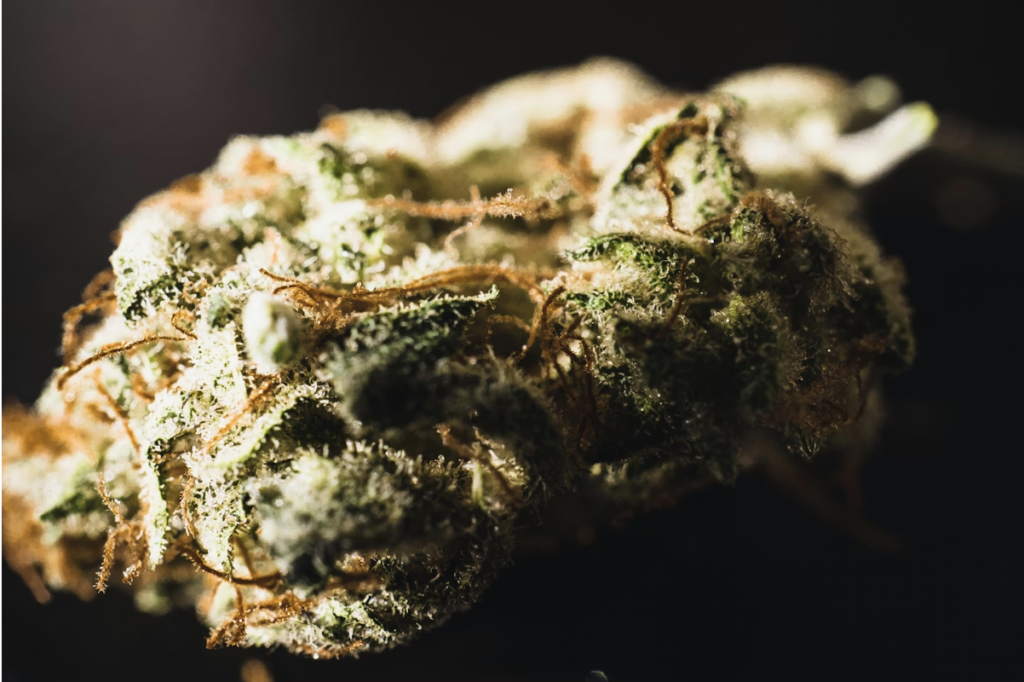
What is Live Resin
Live resin is a cannabis concentrate made by extracting oil from fresh-frozen cannabis flower using a chemical solvent. The reason they freeze the plant after harvest is that it locks in terpenes that would otherwise have been lost during the drying and curing process.
What is Rosin
Rosin is a solventless cannabis concentrate made by pressing cannabis flower, kief, or hash between heated plates. The pressure and heat squeeze resin out of the plant material, producing a clean rosin with no chemicals used in the extraction process.
Key Difference Between Live Resin vs Rosin
Now you know what live resin and rosin are, let’s take a look at their differences:
1. Starting Material
Live Resin: Made from fresh-frozen cannabis flower harvested and frozen at peak ripeness. This helps lock in the plant’s full terpene and cannabinoid profile.
Rosin: Made from dried and cured flower, kief, or hash. The starting material has already undergone drying, so it has lost some of its terpene strength.
2. Extraction Method
Live Resin: Uses a hydrocarbon solvent, often butane or propane, to strip cannabinoids and terpenes out of the plant. Most of the solvent is then removed using heat and a vacuum.
Rosin: Uses only heat and pressure. This squeezes resin out of the cannabis plant without any chemicals. However, the terpene preservation is generally lower.
3. Terpene Preservation
Live Resin: Excellent. The fresh-frozen process preserves terpenes that regularly evaporate during the normal drying process.
Rosin: Lower. The heat pressing can degrade some terpenes during the process, so less terpene preservation occurs.
4. Purity and Solvents
Live Resin: Contains trace amounts of residual solvent. Producers of live resin need to test their product to ensure it falls within the state safety limits. In New Jersey, for instance, this is set by the New Jersey Cannabis Regulatory Commission.
Rosin: Completely solventless. No chemicals are used during the extraction stage. All that’s required is heat and pressure. Because of this, there’s nothing to test apart from the standard cannabinoid and contaminant checks.
5. Flavor and Effects
Live Resin: Bright, terpene-forward flavors that have a full-spectrum effect. Users generally describe live resin as vivid and true to the original flower.
Rosin: Cleaner, more rounded flavor without any solvent aftertaste. The effect is often described as much smoother and more full-bodied than live resin.
6. Consumption Methods
Live Resin: Works well with vaporizers and dab rigs. Its consistency works well with vape pens, which is why most use live resin nowadays.
Rosin: Typically dabbed. However, it can also be used in a disposable vape or pressed onto a flower for a rosin joint. Rosin cartridges are available but are less common.
7. Onset and Experience
Live Resin: Effects appear within minutes of inhaling and can last 1 to 3 hours. The experience is often described as potent and powerful. Many say the high can feel “layered” as well, due to the preserved terpene content.
Rosin: Same onset as live resin, so users will feel the effects in minutes, and the experience can last 1 to 3 hours. Users generally report the experience feeling a lot cleaner and less harsh on the throat.
8. Shelf Life and Storage
Live Resin: Stable at room temperature and stores well for several months when kept in a sealed container away from light and heat.
Rosin: Can be more temperature-sensitive. Therefore, it can degrade faster in warm conditions and often benefits from being refrigerated over longer-term storage.
9. Availability
Live Resin: Widely available at licensed dispensaries across most legal states. You’ll generally find it in both concentrated form and vape products.
Rosin: Available but less common. This is because the production is slower and yields are smaller, which can limit supply.
10. Price
Live Resin: Typically ranges from $40 to $80 per gram at a licensed dispensary, depending on the format and brand.
Rosin: Generally much more expensive at around $60 to $100 per gram. This is due to the smaller yield and higher labor demand in the production process.
Should You Choose Live Resin or Rosin?
Now you know the difference between live resin and rosin, the following questions will help you determine which is better for you.
- Do you prefer a solventless product? If yes, then choose rosin as it is a solventless product.
- Do you mostly use a vape pen or a cartridge? If yes, then live resin is more available for both vape pens and cartridges.
- Is price a big concern for you? If yes, then live resin is the more affordable option available.
- Is flavor purity your priority? If yes, choose rosin and maybe even live rosin (more about this below).
- Are you new to concentrates? If yes, choose live resin. It’s easier to find and more beginner-friendly.
- Do you care about shelf-life? If yes, then live resin is the safer pick as it can be stored for months under room temperature conditions.
What About Live Rosin?
Live rosin is the premium tier of rosin. In the industry, it’s often considered the “gold” standard of cannabis concentrates.
Like standard rosin, it’s made from a solventless extraction process. It still uses heat and pressing as the technique. The main difference is the starting material. Instead of dried and cured flower, live rosin is made from fresh-frozen cannabis.
As mentioned earlier, live resin comes from fresh-frozen cannabis. Similarly, freezing the cannabis before performing the live rosin extraction process preserves the terpenes that would otherwise be lost during the drying and curing process.
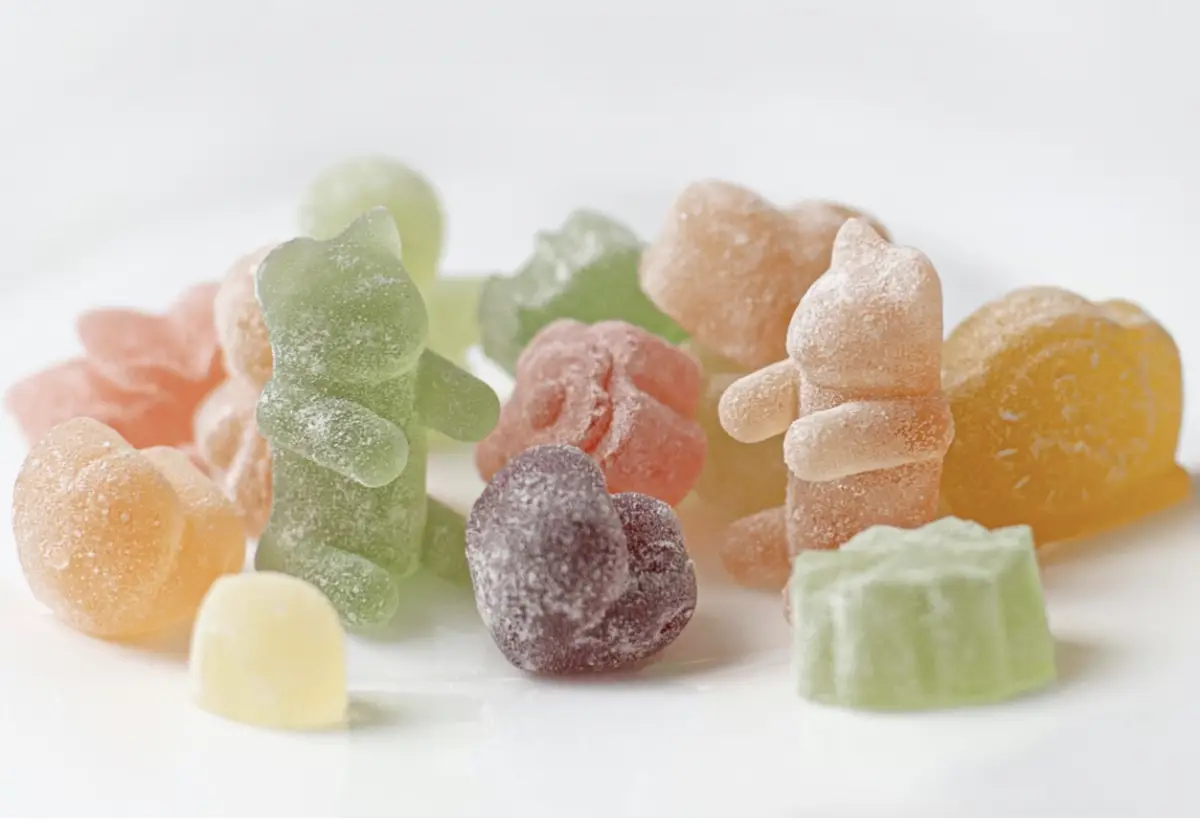
Once the process is complete, the texture of live rosin is pretty thick. Much thicker than typical rosin. Live rosin also comes in different formats. This includes cartridges and edibles like hash rosin gummies.
A major drawback to live rosin, however, is its price point. It’s one of the most expensive concentrates on the market, often exceeding $100 per gram. This is due to its labor-intensive production process and its smaller per-plant yield.
FAQ
No, not by THC percentage. Live resin is known for its terpene-rich flavor, and many say it has a “layered” experience to it. This may make it feel stronger than other concentrates, but the THC percentage itself is roughly the same.