What Are The Best Marijuana Strains For Me?
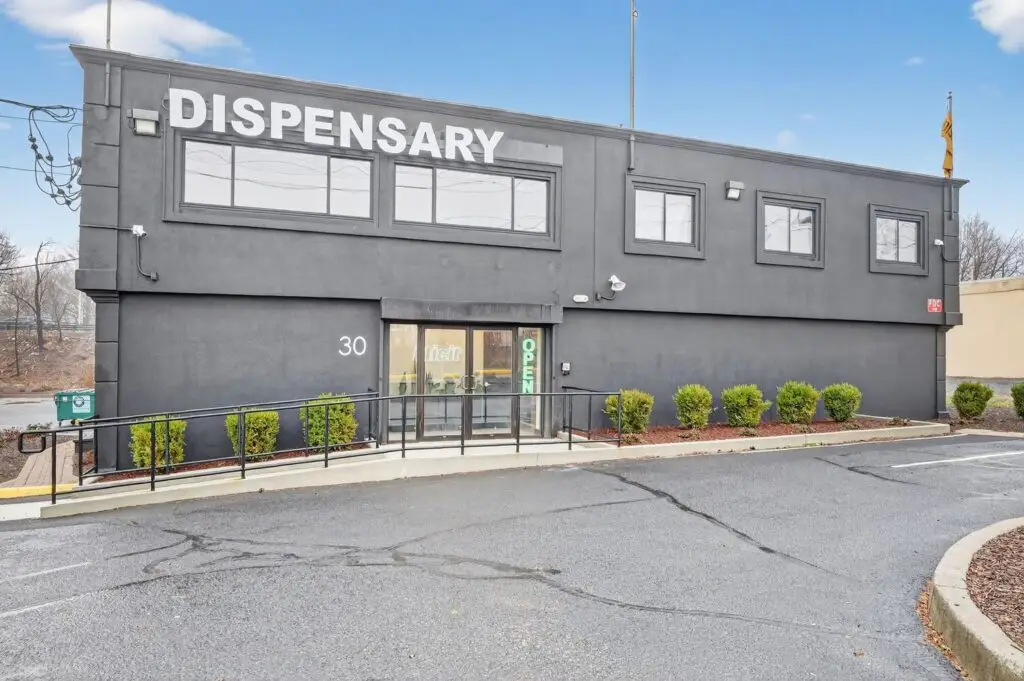
Often, we have people come into our shop asking us, “What are the best marijuana strains for me?” And honestly, there isn’t a right or wrong answer. It depends on you, the consumer. Now, that itself is a little overwhelming, especially if you’re new to using marijuana. However, it can be broken down pretty easily. For example, how you want to feel and how you’d like to consume cannabis.
This guide will help you determine the best marijuana strains for you. We’ll detail all the strains, cannabinoids, and consumption choices, so you have the information needed to choose the best option for you.
Types of Marijuana Strains
Cannabis strains are traditionally classified into three main categories:
- Indica
- Sativa
- Hybrid
Indica
Indica strains, like Diamond Infused and Grapezilla, come from short, bushier plants that produce denser buds with shorter flowering cycles. They are associated with relaxing, body-focused effects. Because of this, people often use indica in the evening or when they’re trying to wind down.
Sativa
Sativa strains, like Chem Butter and Dawg Lemons, come from tall plants with narrow leaves and looser bud structure. They generally have a longer flowering cycle as well. This strain is most used for uplifting, cerebral effects. As a result, people often describe sativa as energizing, creative, and great for social situations.
Hybrid
Hybrid strains, like Animal Star Cookies and Banana Fosters, are genetic crosses of indica and sativa. Such strains have a lot of variety. Sometimes they’re more indica-focused and other times, sativa. Therefore, there isn’t a “specific” effect hybrids offer, as they can change based on what strain is more dominant.
Cannabinoids and What They Do
Cannabis plants contain over 100 compounds called cannabinoids, which are responsible for how cannabis makes you feel.
The most popular cannabinoids are:
- THC
- CBD
- CBN
- CBG
- CBDA
- THCA
THC (Delta-9 Tetrahydrocannabinol)
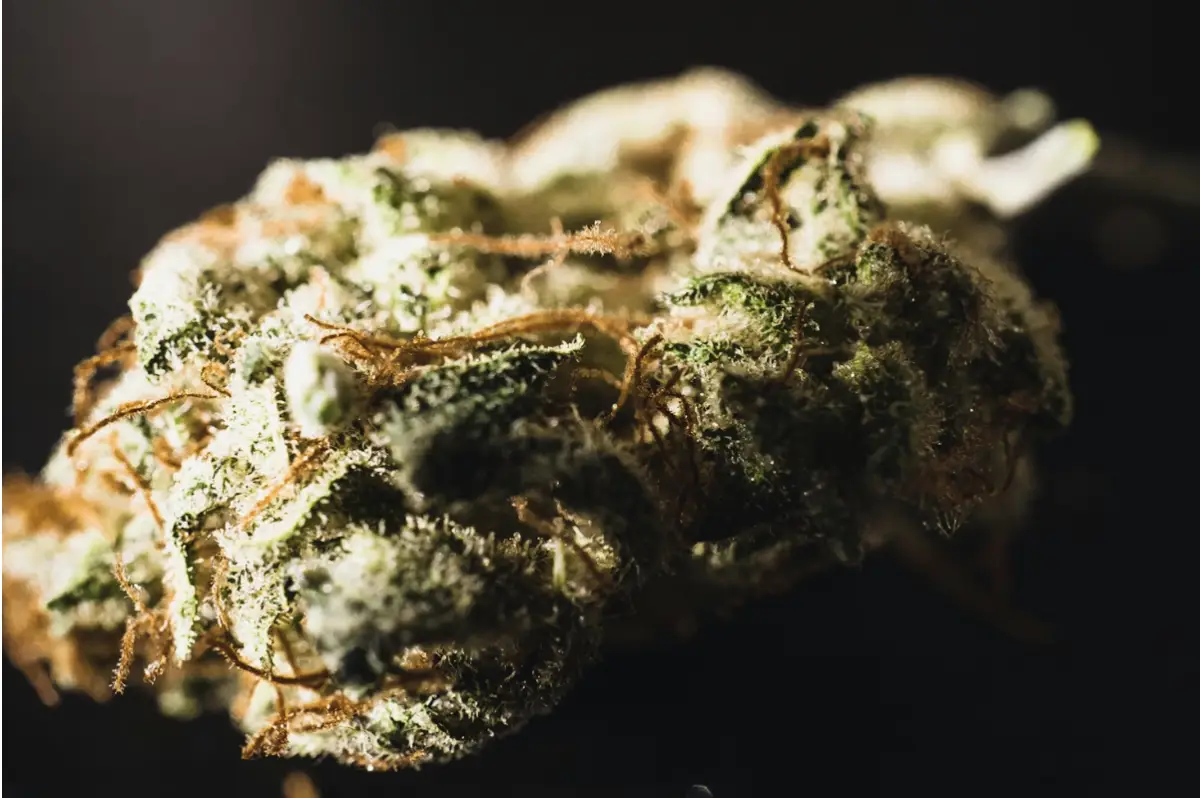
THC is the main intoxicating compound in cannabis. As per the National Institute on Drug Abuse (NIDA), THC is responsible for the “High” most associated with marijuana. In today’s market, THC levels in flower are around the 15 to 30% mark. This is much higher than in the pre-2000s, when THC used to be just 4%.
The reason THC produces this effect comes down to our bodies’ endocannabinoid system. THC’s chemical structure is similar enough to our body’s natural compounds and binds to the CB1 receptor in our brain, overstimulating areas related to memory, attention, and perception.
CBD (Cannabidiol)
CBD is the second-most studied cannabinoid and is non-intoxicating. It doesn’t produce a high on its own and is often used in products marketed for balance or to offset the intensity of THC.
The 2018 Farm Bill removed hemp (CBD) flower that has less than 0.3% THC from the Controlled Substances Act. Therefore, there are fewer legal requirements for such a cannabinoid.
CBN (Cannabinol)
CBN is a minor cannabinoid formed when THC ages and oxidizes. Users often associate CBN with sleep-related product formulations.
However, it’s important to know that such claims aren’t well-researched. Many of the effects of CBN may actually be from the terpenes (more about this below).
CBG (Cannabigerol)
CBG is what many people call the “mother cannabinoid”. This is because other cannabinoids, including THC and CBD, are synthesized from it during its early growth stages.
The cannabinoid itself is known for improving focus and is mainly used in daytime product blends. It’s also found in smaller quantities, so CBG-dominant strains are often rare to come by.
CBDA and THCA
Both CBDA and THCA are acidic precursors to CBD and THC and are naturally present in raw cannabis. Both are non-intoxicating in their raw form as well, so they don’t get you high.
When you apply heat by smoking, vaping, or cooking, THCA converts to active THC, and CBDA converts to CBD. This is through a process called decarboxylation.
Terpenes and Why They Matter
Terpenes are the general aromatic compounds found in cannabis and many plants. They’re what give each strain a unique smell and flavor, like pine, citrus, earth, berry, and so forth. These are believed to influence the overall effect of cannabis. The National Library of Medicine suggests that terpenes and cannabinoids interact synergistically through the “entourage effect”, though exactly how needs to be studied.
The reason terpenes matter is that they can shape both the flavor of the strain and how the effects feel in practice. Two strains with similar THC levels can produce different experiences depending on the terpene profiles.
As a general rule, strains with a terpene level of above 2% deliver a fuller flavor and more complex experience. Anything above 3% is considered high-terpenes, and 5% or more is often found in live resin.
How You Can Consume Marijuana
The way you consume cannabis massively impacts how fast the effects kick in, how long they last, and how intense they feel.
Some of the main ways to consume marijuana are by:
- Smoking
- Vaping
- Eating and Drinking
- Applying Topically
Smoking
Smoking is the most traditional way to consume cannabis. The plant material is burned, and the smoke is inhaled, delivering effects within minutes that last between 1 and 3 hours. Most people smoke cannabis in one of five ways. This is either through a spliff, blunt, joint, a pipe, or a bong. Each method is different from the others and impacts your overall smoking experience.
For example, a joint, blunt, or bong is very intense. A spliff or a pipe, on the other hand, is a bit more controlled and recommended for new users.
Vaping
Vaping heats cannabis without combustion, producing inhalable vapor. Effects can appear in minutes and last between 1 and 3 hours. Products used for vaping include vape pens or refillable vaporizers. Vape pens are often disposable and one-time use, whereas you need to purchase cannabis cartridges for a refillable vaporizer.
Eating and Drinking
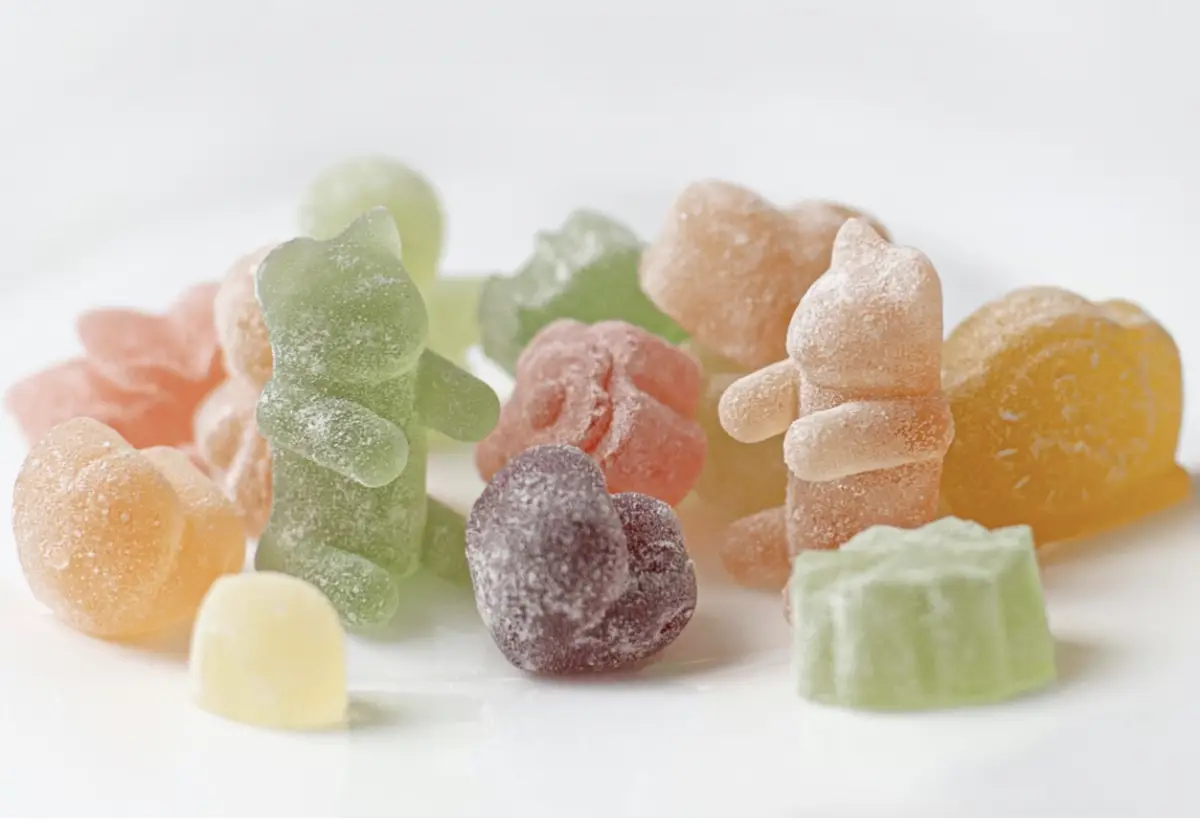
Eating and drinking are the slowest-onset method but also the longest-lasting. Consuming weed in such a way can take about 3 hours to kick in and may last up to 12 hours, according to studies. Most people consume cannabis through edibles. This is marijuana-infused food. For example, gummies, chocolates, or baked goods. You can get drinks and tinctures as well, but these are less popular.
Applying Topically
Topical application delivers cannabinoids to a specific area of the body without producing a high. The cannabinoids don’t cross into the bloodstream in meaningful amounts, so their experience and purpose are different from the other methods above. Products include topicals like lotions, balms, and salves. These are generally applied directly to the skin and are for localized use. People typically use these for sore muscles, joints, or skin.
How to Choose the Best Strain of Weed for You
With the basics covered, narrowing down the best strain of weed for you comes down to some honest questions about yourself. By answering these, you’ll point yourself to the right type of strain, product, and potency.
How do you want to feel?
If you want to feel relaxed and body-heavy, then indica or high-myrcene strains are more for you. On the other hand, if you want to be uplifted and social, then sativa or limonene and pinene-forward strains are better. If you want something in between, a hybrid is recommended.
How experienced are you?
New users should start with lower THC percentages, like 15% or 20%, with flower products. With edibles, 5mg or less is ideal. Higher THC flower, like 25%, infused pre-rolls, and concentrates are more suited for experienced consumers with a good tolerance.
How do you want to consume it?
If discretion matters, vapes or edibles are great as they don’t produce that cannabis smell. If you prefer a ritual-like experience, then joints, pipes, and bongs are the classic choice. For a faster onset, vapes and smoking are best, and for longer-lasting effects, edibles. If you just want to use localized lotion or balms, then topicals are recommended.
What flavors do you enjoy?
If you’re new to consuming cannabis, you won’t know this. Still, we recommend looking at the terpene profiles and picking a flavor you think may work for you. For example, do you want something earthy, citrusy, peppery, floral, or fruity? For those who already know this, go with the terpene profile you enjoy the most.
Example Profiles
To see how these four questions can help you choose the top marijuana strains for you, here are some examples.
- Person 1 – The new customer: They’re trying cannabis for the first time and don’t want to feel overwhelmed. A sativa-leaning hybrid flower with 18-20% THC or a 5mg edible would be suitable.
- Person 2 – The evening relaxer: They want to unwind after work and sleep better. An indica flower or vape high in myrcene with 22-28% THC would suit them.
- Person 3 – The creative daytime user: They want energy and focus without feeling tired. A sativa with high limonene or pinene, around 20-25% THC in a vape or pre-roll, is ideal.
- Person 4 – The experienced consumer: They have built up a tolerance and want potency. A high-terpene hybrid above 28% THC, an infused pre-roll, or a concentrate would match their needs.
- Person 5 – The flavor-first user: They care more about terpene profile than peak potency. A live resin vape or flower (type of strain doesn’t matter) with terpene content above 3% is most recommended.
FAQs
No. CBD, CBN, and CBG are all non-intoxicating cannabinoids and cannot get you high.